
Blog
Menopause and Joint Pain: Causes, Symptoms, and Natural Relief (2026 Guide)

Introduction
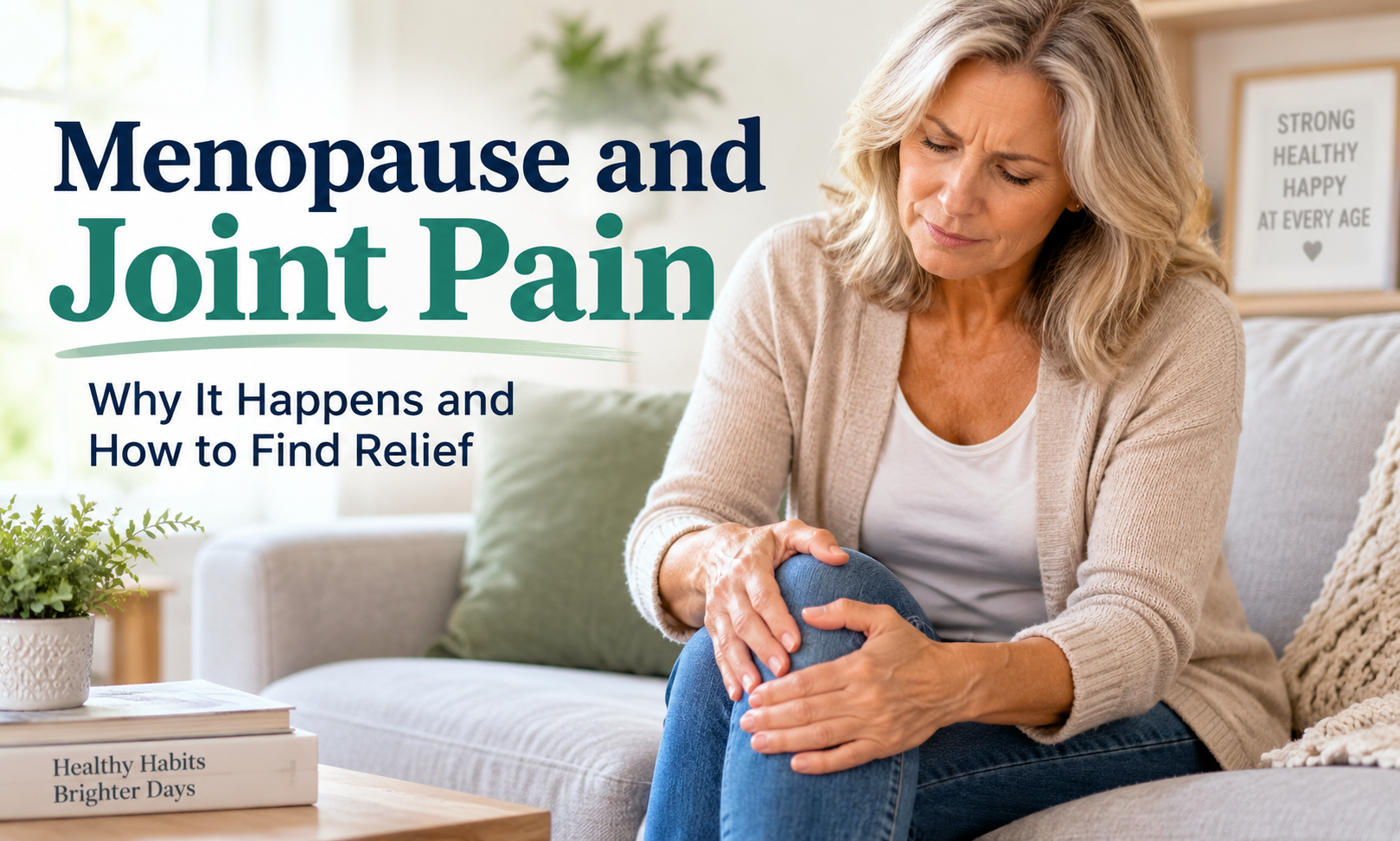
Menopause joint pain can affect your knees, hips, hands, and shoulders, making everyday activities uncomfortable. Do your knees ache more than they used to? Are your hands stiff in the morning? Have your hips, shoulders, or lower back started hurting for no obvious reason?
If these aches and stiffness seem to have appeared around perimenopause or menopause, hormonal changes may be one contributing factor.
Joint pain is one of the most common—but often overlooked—symptoms of perimenopause and menopause. Many women notice new aches, stiffness, or reduced flexibility as their hormone levels begin to change.
While aging can certainly contribute to joint discomfort, declining estrogen levels may also play a role. Combined with normal wear and tear, inflammation, reduced muscle mass, and changes in physical activity, menopause can make everyday movements feel more uncomfortable.
The good news is that there are many steps you can take to support your joints naturally. Healthy eating, regular movement, strength training, maintaining a healthy weight, and choosing the right supplements may all help you stay active and comfortable.
In this guide, we’ll explain why menopause can affect your joints, common symptoms to watch for, and practical strategies that may help you move with greater comfort. If you’re experiencing other hormonal changes, our guide to hormone imbalance symptoms in women over 40 explains what to look for.
Affiliate Disclosure
This article contains affiliate links. If you make a purchase through these links, we may earn a commission at no additional cost to you. We only feature products we believe may be relevant to our readers. Disclaimer: This article is for educational purposes only and is not medical advice. Always consult your healthcare provider if you experience severe joint pain, swelling, redness, fever, or persistent symptoms that interfere with your daily activities.
QUICK GUIDE: MANAGING MENOPAUSE JOINT PAIN
Joint aches and stiffness can make everyday activities uncomfortable. Here’s a quick look at the practical strategies covered in this guide that may help support healthier, more comfortable joints.
🚶 Stay Physically Active
Gentle, regular movement such as walking, swimming, cycling, yoga, or stretching may help reduce stiffness and support mobility.
🏋️ Strength Train Regularly
Strengthening the muscles around your joints can help support stability, balance, and everyday movement.
⚖️ Maintain a Healthy Weight
Reducing excess pressure on weight-bearing joints such as the knees and hips may help improve everyday mobility.
🥗 Eat an Anti-Inflammatory Diet
Build meals around nutrient-rich foods such as fruits, vegetables, fatty fish, olive oil, and whole grains.
💧 Stay Hydrated
Regular hydration supports normal body function and can be especially important when you’re physically active.
🤸 Stretch Every Day
Gentle daily stretching can help maintain flexibility and ease stiffness, particularly after sitting or first thing in the morning.
😴 Prioritize Quality Sleep
Consistent, restorative sleep may help you feel less tired and stiff and better able to stay active.
🥛 Support Your Body With Quality Nutrition
Protein, calcium, vitamin D, magnesium, and omega-3 fatty acids help support healthy muscles, bones, and overall joint function.
🧘 Manage Stress
Walking, deep breathing, meditation, yoga, time outdoors, and other relaxing activities may help when stress makes discomfort feel more noticeable.
🩺 Know When to Talk With Your Healthcare Provider
Seek medical attention for severe or worsening pain, swollen or red joints, fever, sudden joint pain, or symptoms that interfere with everyday activities.
Keep reading below for all 10 strategies and more information about menopause joint pain in detail.
Can Menopause Cause Joint Pain?
Menopause joint pain is a common concern among women experiencing perimenopause and menopause, although hormonal changes aren’t always the only cause. Although researchers are still studying the exact relationship, declining estrogen levels may contribute to changes in joint comfort, stiffness, and inflammation.
Estrogen helps support healthy joints by contributing to normal inflammatory responses and helping maintain connective tissues. As estrogen levels decline, some women experience increased stiffness, soreness, or discomfort in their joints.
Joint pain during menopause is often called menopausal arthralgia, and it commonly affects the:
- Knees
- Hips
- Hands
- Fingers
- Shoulders
- Neck
- Lower back
The intensity varies from woman to woman. Some notice only mild stiffness, while others experience discomfort that affects daily activities.
Common Symptoms of Menopause-Related Joint Pain
Menopause-related joint discomfort can develop gradually or seem to appear suddenly. Some women notice stiffness when they first wake up, while others experience aching after sitting for long periods or during everyday activities.
Common symptoms include:
- Aching joints
- Morning stiffness
- Sore knees
- Pain in the hands or fingers
- Hip discomfort
- Shoulder pain
- Reduced flexibility
- Mild swelling around joints
- Stiffness after sitting for long periods
These symptoms often fluctuate and may become more noticeable during the menopausal transition.
Why Does Estrogen Matter?
Estrogen does more than regulate your menstrual cycle. It also plays a role in maintaining healthy bones, muscles, and connective tissues. As estrogen levels decline during menopause, some women notice changes in joint comfort, flexibility, and stiffness.
- Joint tissues may become less resilient.
- Inflammation may become more noticeable.
- Muscle mass naturally decreases with age.
- Extra body weight can place additional stress on the joints.
Together, these changes can contribute to joint discomfort and stiffness.
Other Factors That Can Make Joint Pain Worse
Hormonal changes aren’t the only reason joint pain can become more noticeable during menopause. Several other factors can contribute to stiffness and discomfort, sometimes making it difficult to identify a single cause.
Because these factors often overlap, addressing sleep, physical activity, weight management, and stress may help improve your overall comfort. Persistent or worsening joint pain should be evaluated by a healthcare professional.
- Age-related wear and tear
- Osteoarthritis
- Weight gain
- Reduced physical activity
- Poor sleep
- Stress
- Previous injuries
10 Natural Ways to Help Relieve Menopause Joint Pain
1. Stay Physically Active
It may seem counterintuitive, but gentle movement often helps reduce stiffness.
Excellent options include:
- Walking
- Swimming
- Cycling
- Yoga
- Stretching
Start with activities that feel comfortable and gradually increase your movement as your strength and flexibility improve. Regular, low-impact exercise can help reduce stiffness, strengthen the muscles supporting your joints, and make everyday activities easier.
2. Strength Train Regularly
Strong muscles help support and stabilize your joints.
Simple resistance exercises performed two or three times per week may improve strength, balance, and mobility.
3. Maintain a Healthy Weight
Extra body weight can increase pressure on weight-bearing joints, particularly your knees and hips. During menopause, hormonal changes, aging, and changes in activity levels can also make weight management more challenging.
Even modest weight loss, when appropriate, may help reduce joint strain and improve everyday mobility. Focus on sustainable habits such as balanced nutrition, regular movement, and strength training rather than restrictive diets.
( Menopause Weight Gain: Causes, Symptoms, and Tips to Manage It Naturally)
4. Eat an Anti-Inflammatory Diet
Focus on nutrient-rich foods, including:
- Fruits
- Vegetables
- Fatty fish
- Nuts
- Seeds
- Olive oil
- Whole grains
These nutrient-rich foods provide antioxidants, fiber, and healthy fats that support your body’s normal inflammatory response. Fatty fish such as salmon and sardines also contain omega-3 fatty acids, which may help support joint health. Focus on building balanced meals rather than relying on any single food to relieve joint pain. Supporting your digestive health is another part of maintaining a balanced diet during menopause. Learn more in our guide to menopause and digestive issues.
5. Stay Hydrated
Staying hydrated supports your overall health and helps your body function properly. While drinking more water won’t necessarily eliminate menopause-related joint pain, dehydration can contribute to muscle cramps and make physical activity more uncomfortable.
Keep water nearby throughout the day, especially when exercising or spending time in hot weather. Your fluid needs vary depending on your activity level, health and environment.
6. Stretch Every Day
Gentle daily stretching can help maintain flexibility and ease stiffness, particularly in the morning or after sitting for long periods. Move slowly, avoid bouncing, and stretch only as far as feels comfortable.
Even 10 minutes a day can help you maintain mobility. If a stretch causes sharp pain or worsens your symptoms, stop and speak with your healthcare provider.
- Neck
- Shoulders
- Back
- Hips
- Hamstrings
- Calves
7. Prioritize Quality Sleep
Poor sleep can make joint discomfort feel worse and leave you feeling more tired and stiff the next morning. Unfortunately, hot flashes, night sweats, and hormonal changes can make restful sleep harder to achieve during menopause.
Establishing a consistent bedtime, keeping your bedroom cool, and limiting caffeine late in the day may help improve your sleep. If you’re regularly waking during the night, our guide to menopause insomnia explores common causes and practical ways to get better rest.
8. Support Your Body with Quality Nutrition
Getting enough protein, calcium, vitamin D, magnesium, and omega-3 fatty acids helps support healthy muscles, bones, and overall joint function. During menopause, maintaining muscle strength and bone health becomes especially important for staying active and mobile.
Aim to get most of these nutrients through a balanced diet that includes lean proteins, dairy or fortified alternatives, leafy greens, nuts, seeds, and fatty fish. Supplements may help fill nutritional gaps when needed, but they shouldn’t replace nutritious meals.
- The 6 Best Protein Powders for Menopause (2026 Buyer’s Guide)
- The 6 Best Magnesium Supplements for Menopause (2026 Buyer’s Guide)
- The 6 Best Collagen Supplements for Menopause (2026 Buyer’s Guide)
9. Manage Stress
Stress can increase muscle tension and make existing joint discomfort feel more noticeable. During menopause, poor sleep and other symptoms may also make everyday stress harder to manage.
Try incorporating a few minutes of relaxation into your daily routine. You don’t need to eliminate every source of stress—small, consistent habits can help you feel more comfortable and support your overall well-being.
Helpful stress-management techniques include:
- Deep breathing
- Walking
- Meditation
- Yoga
- Spending time outdoors
- Talking with friends and family
10. Talk With Your Healthcare Provider
Although mild joint aches and stiffness can occur during menopause, don’t automatically assume hormonal changes are the cause. Persistent, worsening, or unusual joint pain deserves medical attention, especially if it interferes with your daily activities.
Your healthcare provider can help determine whether your symptoms are related to menopause, osteoarthritis, an inflammatory condition, or another underlying issue. Getting an accurate diagnosis can help you choose appropriate treatment and avoid delaying care.
- Severe pain
- Swollen or red joints
- Fever
- Sudden joint pain
- Pain that continues to worsen
- Difficulty walking or using your joints
🌟 Featured Recommendation
Joint Genesis
If you’re looking for additional support for healthy joints, Joint Genesis is our featured recommendation.
Joint Genesis is designed to support joint comfort, mobility, and flexibility as part of a healthy lifestyle. While no supplement can reverse the effects of menopause, many women choose to include a joint-support supplement alongside regular exercise, healthy nutrition, and weight management.
Best For
Women looking to support joint comfort and maintain an active lifestyle during menopause.
Why We Chose It
JointVive is another supplement option for readers exploring ways to support joint health. Its suitability depends on its ingredients, your individual health needs, and any medications you take. Check the current product label and speak with your healthcare provider before adding a new supplement to your routine.
Pros
- Supports joint comfort and mobility
- Easy daily routine
- Designed for long-term joint wellness
- Complements exercise and healthy nutrition
Cons
- Results vary from person to person
- Not a substitute for medical treatment
👉 Learn More About Joint Genesis
🌟 Looking for Another Option?
JointVive
JointVive is another excellent option for women who want additional support for healthy joints and flexibility.
It focuses on maintaining joint function and helping you stay active as part of an overall healthy lifestyle.
Best For
Women looking for another joint-support supplement from a trusted ClickBank partner.
Pros
- Supports joint mobility
- Daily supplement
- Easy to incorporate into your routine
- Complements healthy lifestyle habits
Cons
- Results vary
- Best used alongside regular exercise and good nutrition
👉 Learn More About JointVive
📦 Other Joint Health Products Worth Considering
🥇 Move Free Advanced
Move Free Advanced is a joint-support supplement formulated with glucosamine and chondroitin, ingredients commonly used in products marketed for joint health. Research on their effectiveness for joint pain has produced mixed results, and they have not been shown to specifically treat menopause-related joint discomfort.
Check the product label for the exact formulation and dosage, as Move Free offers several versions. If you take medication or have an existing health condition, consult your healthcare provider before using it.
Best For
Women looking for a well-known joint support supplement from an established brand.
Pros
- Trusted brand
- Comprehensive joint support formula
- Supports flexibility and mobility
- Easy daily routine
Cons
- Multiple tablets per serving
- Not suitable for everyone, especially those with shellfish allergies
👉 Check Today’s Price on Amazon
⭐ Doctor’s Best Glucosamine Chondroitin MSM
Doctor’s Best Glucosamine Chondroitin MSM combines three ingredients commonly found in joint-support supplements. Glucosamine and chondroitin have been studied for osteoarthritis, although results have been mixed. MSM is also marketed for joint comfort, but evidence of its benefits remains limited.
This supplement has not been proven to relieve menopause-related joint pain. Check the product label for ingredients and dosage, and consult your healthcare provider before taking it, especially if you use blood thinners or have a shellfish allergy.
Best For
Women wanting a glucosamine, chondroitin, and MSM formula.
Pros
- Trusted supplement manufacturer
- Comprehensive joint support ingredients
- Good value
- Supports long-term joint wellness
Cons
- Larger tablets
- May not be appropriate for everyone
👉 Check Today’s Price on Amazon
Frequently Asked Questions
Can menopause cause joint pain?
Yes. Some women experience increased joint pain and stiffness during perimenopause and menopause. Declining estrogen may contribute, although aging, arthritis, and other health conditions can also play a role.
Which joints are most commonly affected?
Women may notice discomfort in their knees, hips, hands, fingers, shoulders, or lower back. The location and severity vary, and persistent pain should be evaluated rather than automatically attributed to menopause.
Can exercise help menopause-related joint pain?
Regular, low-impact exercise may help reduce stiffness, strengthen the muscles supporting your joints, and maintain flexibility. Walking, swimming, cycling, and gentle strength training are options to consider.
Should I stop exercising if my joints hurt?
Not necessarily. Gentle movement may help with mild stiffness, but avoid activities that cause sharp pain or worsen your symptoms. Stop exercising and seek medical advice if you experience significant swelling, severe pain, or difficulty bearing weight.
Final Thoughts
Menopause-related joint pain can make everyday activities uncomfortable, but there are practical ways to support your joints. Regular movement, strength training, balanced nutrition, quality sleep, and stress management may help reduce stiffness and improve your overall mobility.
If you’re considering a joint-support supplement, Joint Genesis, JointVive, Move Free Advanced, and Doctor’s Best Glucosamine Chondroitin MSM are among the options discussed in this guide. Remember that supplements have not been proven to treat menopause-related joint pain, and their effectiveness varies.
Persistent or worsening joint pain shouldn’t automatically be blamed on menopause. Talk with your healthcare provider to identify the cause and develop a treatment plan appropriate for your needs.
Related Articles
- The 6 Best Collagen Supplements for Menopause (2026 Buyer’s Guide)
- The 6 Best Magnesium Supplements for Menopause (2026 Buyer’s Guide)
- The 6 Best Protein Powders for Menopause (2026 Buyer’s Guide)
- Menopause Weight Gain: Causes, Symptoms, and Tips to Manage It Naturally
- Natural Remedies for Menopause: 15 Ways to Feel Better Naturally