
Blog
Menopause Insomnia: Why You Can’t Sleep and What Helps

Introduction
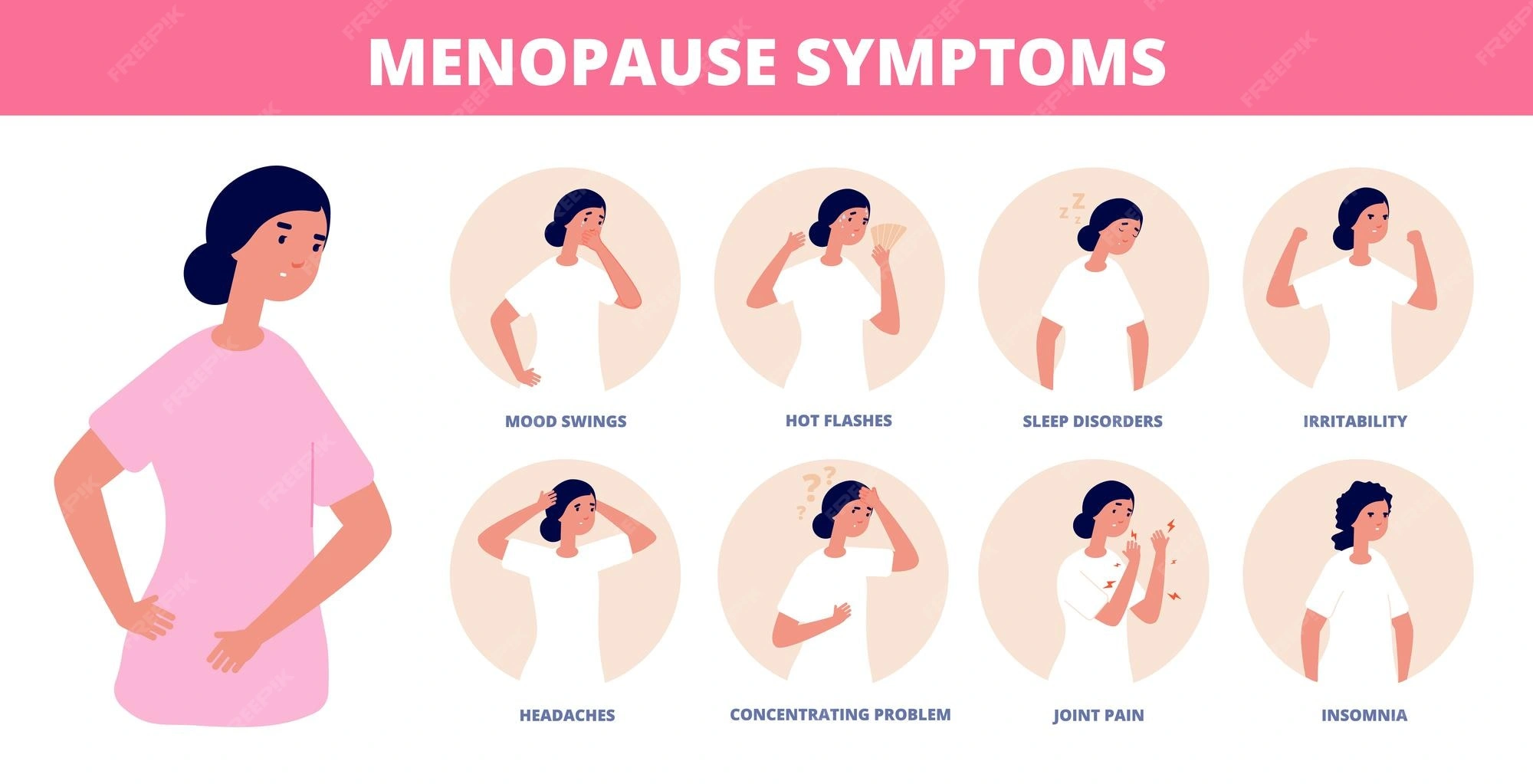
If you’re dealing with menopause insomnia, you may fall asleep only to wake up at 2 or 3 a.m.—wide awake, overheated, anxious, or unable to get comfortable again. Other nights, falling asleep in the first place can feel nearly impossible. After enough restless nights, the fatigue can affect your energy, concentration, mood, and how you feel throughout the entire day.
Sleep problems during perimenopause and menopause can have several causes. Changing hormone levels may play a role, while hot flashes, night sweats, stress, anxiety, and changes in sleep patterns can make the problem even worse. For many women, several of these factors happen at the same time, which is why simply “going to bed earlier” often isn’t enough.
The good news is that there are practical ways to improve your sleep environment and nighttime routine while addressing the symptoms that may be keeping you awake. In this guide, we’ll look at why menopause insomnia happens, the signs to watch for, and realistic strategies that may help you sleep more comfortably and wake feeling better rested.
Affiliate Disclosure: 40HormoneHelp may earn a commission when you purchase through certain links on this page, at no additional cost to you. This helps support our site and allows us to continue providing educational menopause content. Our recommendations are based on relevance to our readers and are not influenced by commissions.
Why Does Menopause Cause Insomnia?
As estrogen and progesterone levels change during perimenopause and menopause, sleep can become more difficult for a number of reasons. Hormonal changes may affect sleep patterns directly, but they can also contribute to symptoms that make it harder to fall asleep or stay asleep.
Hot flashes and night sweats can wake you suddenly and make it difficult to get comfortable again. Some women also experience increased stress, anxiety, or mood changes, which can leave the mind racing just when the body needs to relax.
Other disruptions—such as needing to urinate during the night or changes in your normal sleep-wake pattern—can further reduce the amount of uninterrupted, restorative sleep you get.
For many women, menopause insomnia isn’t caused by one thing. It may be a combination of hormonal changes, nighttime symptoms, stress, and repeated sleep interruptions. Identifying what is actually waking you or preventing you from falling asleep can make it easier to choose strategies that address the problem.
Common Symptoms of Menopause Insomnia
Menopause insomnia can look different from one woman to another. Some women have trouble falling asleep, while others fall asleep normally but wake repeatedly throughout the night.
Common signs include:
- Difficulty falling asleep
- Waking frequently during the night
- Waking earlier than intended
- Trouble falling back asleep after waking
- Feeling unrefreshed even after spending enough time in bed
- Daytime fatigue or low energy
- Difficulty concentrating or experiencing mental fog
- Irritability or changes in mood
Pay attention not only to how many hours you sleep, but also to how you feel during the day. Repeated poor-quality sleep can affect concentration, energy, mood, and your ability to handle everyday activities.
If sleep problems continue for several weeks, regularly interfere with your daily life, or become severe, talk with your healthcare provider. They can help determine whether menopause symptoms or another sleep or health issue may be contributing.
Natural Ways to Improve Sleep During Menopause
There isn’t one sleep strategy that works for every woman, but improving your daily habits and nighttime environment can make it easier to wind down and get more consistent rest.
Keep a consistent sleep schedule. Going to bed and waking up at roughly the same time each day helps reinforce your body’s natural sleep-wake rhythm—even on weekends.
Keep your bedroom cool. Hot flashes and night sweats can make an already difficult night even more disruptive. Lowering the room temperature, using breathable bedding, and wearing lightweight sleepwear may help you stay more comfortable.
Watch caffeine later in the day. Coffee, tea, energy drinks, and other sources of caffeine can interfere with sleep for hours after you consume them. If falling asleep is difficult, consider limiting caffeine in the afternoon and evening.
Create a wind-down routine. Give your body time to transition toward sleep. Dimming the lights, reducing screen time, reading, stretching, or practicing a relaxing activity before bed can help signal that the day is ending.
Avoid heavy meals close to bedtime. Large meals late in the evening can leave you uncomfortable when you’re trying to sleep. If you’re hungry near bedtime, a lighter snack may be easier on your stomach.
Stay active during the day. Regular physical activity can support overall health and healthy sleep, although vigorous exercise immediately before bed may make it harder for some people to wind down.
You don’t need to change everything at once. Start with the habits that address what seems to be disrupting your sleep most, then give those changes enough time to become part of your regular routine.
🌙 Support Better Sleep Naturally
Sleep problems are one of the most frustrating symptoms of menopause. Hormonal changes, hot flashes, night sweats, and increased stress can all make it difficult to fall asleep or stay asleep through the night.
Many women choose to add a sleep-support supplement to their healthy bedtime routine. While no supplement can guarantee better sleep, the right product may complement healthy sleep habits such as maintaining a consistent bedtime, limiting caffeine in the evening, and creating a relaxing sleep environment.
🌙 Featured Sleep Support
YuSleep is a nighttime supplement designed for people who want additional support as part of their evening routine. Its formula combines ingredients commonly used in sleep and relaxation supplements, making it an option for women whose menopause sleep difficulties include trouble winding down at night.
A supplement won’t address every cause of menopause insomnia—especially when hot flashes, night sweats, stress, or another health issue is repeatedly interrupting sleep. That’s why YuSleep is best viewed as one part of a broader sleep routine rather than a stand-alone solution.
Best for: Women looking for a nighttime supplement to complement healthy sleep habits and a consistent bedtime routine.
🌙 Improve Your Sleep Comfort
Derila Ergo Pillow takes a different approach to better sleep by focusing on nighttime comfort rather than supplementation. Its contoured design is intended to support the head and neck while you sleep, which may appeal to women who frequently wake because they’re uncomfortable or constantly repositioning their pillow.
A supportive pillow won’t directly treat menopause insomnia, hot flashes, or night sweats, but improving your sleep environment can remove one more source of nighttime disruption. This makes Derila a practical option for women who want to improve comfort as part of their overall sleep setup.
Best for: Women who want better head and neck support and a more comfortable sleep environment without adding another supplement to their routine.
👉 Learn More About Derila Ergo
❄️ Stay Cooler Throughout the Night
Niagara Cooling Mattress Topper is aimed at one of the most frustrating nighttime problems during menopause: feeling too warm to sleep comfortably. A breathable mattress topper can help create a cooler, more comfortable sleep surface, which may be especially useful for women dealing with hot flashes or night sweats.
It won’t prevent the hormonal changes that trigger nighttime symptoms, but improving your bedding and bedroom environment can make it easier to get comfortable again after waking. It can also be a practical option if your current mattress tends to trap heat but you’re not ready to replace the entire mattress.
Best for: Women whose sleep is frequently disrupted by overheating, night sweats, or a mattress that sleeps too warm.
.
👉 Check Today’s Price on Amazon
🔊 Create a Peaceful Sleep Environment
Even small noises can interrupt sleep when you’re already struggling with insomnia. Creating consistent background sound may help reduce distractions from household or outdoor noise.
The SNOOZ White Noise Sound Machine uses a real fan to produce natural white noise with adjustable tone and volume. Many people include white noise as part of a relaxing bedtime routine to create a quieter, more consistent sleep environment.
👉 Check Today’s Price on Amazon
Frequently Asked Questions
Is insomnia common during menopause?
Yes. Sleep problems are common during perimenopause and menopause. Hormonal changes can affect sleep directly, while hot flashes, night sweats, stress, anxiety, and nighttime awakenings can make it harder to get consistent, restorative rest. Some women have difficulty falling asleep, while others wake repeatedly or much earlier than they intended.
How long does menopause insomnia last?
There isn’t a single timeline for menopause insomnia. Sleep problems may come and go during perimenopause and menopause, especially as hormone levels and symptoms change. For some women, sleep improves as hot flashes and night sweats become less frequent, while others may continue experiencing sleep difficulties for longer. Healthy sleep habits and addressing the specific symptoms disrupting your sleep can help make this period more manageable.
Can hot flashes cause insomnia?
Yes. Hot flashes and night sweats can cause sudden awakenings and make it difficult to fall back asleep once you’re awake. Keeping the bedroom cool, choosing lightweight and breathable bedding, and addressing frequent or severe hot flashes with your healthcare provider may help reduce nighttime sleep disruptions.
Should I take sleep medication?
Sleep medication may be appropriate for some people, but it isn’t the right choice for everyone. Prescription and over-the-counter sleep aids can have side effects and may interact with other medications. If menopause insomnia is persistent or significantly affecting your daily life, talk with your healthcare provider before starting a sleep medication. They can help determine what may be causing your sleep problems and whether medication or another treatment approach is appropriate.
When should I see a healthcare provider?
Consider talking with a healthcare provider if sleep problems continue for several weeks, regularly interfere with your daytime energy or concentration, or become severe. It’s also important to seek medical guidance if you experience symptoms such as loud snoring, gasping during sleep, persistent low mood, or extreme daytime sleepiness. These can sometimes point to a sleep or health condition that deserves further evaluation.
Final Thoughts
Menopause insomnia can be exhausting, especially when poor sleep begins affecting your energy, concentration, and mood during the day. But improving your sleep doesn’t necessarily require changing everything at once. Start by identifying what seems to disrupt your sleep most—whether that’s hot flashes, night sweats, stress, noise, discomfort, or difficulty winding down.
A cooler and more comfortable bedroom, consistent sleep and wake times, regular physical activity, and a relaxing nighttime routine can all support healthier sleep. The products discussed above may also complement those habits when they address a specific problem, but they work best as part of an overall approach rather than as a replacement for healthy sleep habits.
Most importantly, persistent insomnia deserves attention. If sleep problems continue for several weeks or are significantly affecting your daily life, talk with your healthcare provider. Better sleep is an important part of supporting your health and quality of life throughout menopause.