
Blog
Natural Remedies for Menopause: 15 Ways to Feel Better Naturally (2026 Guide)

Introduction
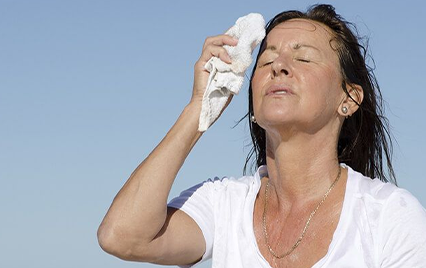
Natural remedies for menopause can help support women dealing with hot flashes, sleep problems, mood changes, and other common symptoms. Menopause is a natural part of every woman’s life, but that doesn’t mean you have to simply accept uncomfortable symptoms. Hot flashes, night sweats, mood changes, fatigue, sleep disturbances, and weight gain can make everyday life more challenging. The good news is that many women find relief by making simple lifestyle changes and adopting healthy daily habits.
Natural remedies won’t stop menopause, but they may help reduce symptoms, improve your overall health, and help you feel more like yourself again. Since every woman experiences menopause differently, it often takes a combination of healthy habits to discover what works best for you.
In this guide, we’ll explore natural remedies that may help you manage menopause symptoms while supporting your long-term health and well-being.
What Are Natural Remedies for Menopause?
Natural remedies are lifestyle changes and healthy habits that may help ease menopause symptoms without relying solely on medication. These approaches focus on supporting your body through proper nutrition, regular physical activity, quality sleep, stress management, and overall wellness.
Many women choose to combine several natural approaches rather than relying on just one. Small improvements made consistently over time often provide the greatest benefits.
Why Do Women Look for Natural Remedies?
As estrogen and progesterone levels decline during menopause, your body goes through many changes that can affect your daily life.
Common symptoms include:
- Hot flashes
- Night sweats
- Mood swings
- Trouble sleeping
- Fatigue
- Brain fog
- Weight gain
- Joint discomfort
- Vaginal dryness
While some women have only mild symptoms, others find that menopause significantly affects their quality of life. Natural remedies can often help improve comfort while supporting overall health.
15 Natural Remedies That May Help
1. Eat a Balanced Diet
A healthy diet provides your body with the nutrients it needs during menopause.
Choose foods such as:
- Fresh fruits
- Vegetables
- Whole grains
- Lean proteins
- Healthy fats
- Beans and legumes
Limiting highly processed foods and excess sugar may also help support overall health.
2. Increase Your Calcium Intake
Bone density naturally decreases after menopause because of lower estrogen levels.
Good food sources of calcium include:
- Milk
- Yogurt
- Cheese
- Leafy green vegetables
- Calcium-fortified foods
If you are unable to get enough calcium through your diet, talk with your healthcare provider about whether supplementation is appropriate.
3. Get Enough Vitamin D
Vitamin D helps your body absorb calcium and supports healthy bones, muscles, and immune function.
Many adults do not get enough vitamin D, so discuss testing or supplementation with your healthcare provider if needed.
4. Exercise Most Days of the Week
Regular physical activity may help:
- Reduce stress
- Improve mood
- Support healthy weight
- Strengthen bones
- Improve sleep
- Increase energy
You don’t need intense workouts to benefit. Walking, swimming, cycling, strength training, and stretching are all excellent options.
5. Stay Hydrated
Drinking enough water supports nearly every system in your body.
Proper hydration may help with:
- Dry skin
- Digestion
- Energy levels
- Overall wellness
Carry a reusable water bottle and drink consistently throughout the day.
6. Improve Your Sleep Routine
Good sleep habits become even more important during menopause.
Try to:
- Go to bed at the same time each night.
- Keep your bedroom cool and dark.
- Avoid large meals before bedtime.
- Limit caffeine later in the day.
- Reduce screen time before going to sleep.
Improving your sleep routine may also help improve your mood and energy during the day.
7. Manage Daily Stress
Stress can make menopause symptoms feel more intense.
Healthy ways to manage stress include:
- Deep breathing exercises
- Meditation
- Prayer
- Journaling
- Reading
- Spending time outdoors
- Listening to calming music
- Enjoying hobbies you love
Even a few minutes each day can make a difference.
8. Include Magnesium-Rich Foods
Magnesium supports normal muscle and nerve function and plays a role in hundreds of processes throughout the body.
Foods naturally rich in magnesium include:
- Spinach
- Pumpkin seeds
- Almonds
- Cashews
- Black beans
- Whole grains
9. Eat More Fiber
Fiber supports healthy digestion and may help you feel fuller longer.
Good sources include:
- Fruits
- Vegetables
- Beans
- Lentils
- Oats
- Whole grains
Increasing fiber gradually and drinking plenty of water can help reduce digestive discomfort.
10. Add Strength Training
Strength training becomes increasingly important during menopause because it helps maintain muscle mass and supports bone health.
You don’t have to lift heavy weights. Resistance bands, bodyweight exercises, or light dumbbells can all be effective.
11. Spend More Time Outdoors
Fresh air, sunlight, and time in nature may help reduce stress while encouraging daily movement.
Even a short walk outside can improve your mood and energy.
12. Limit Alcohol
Alcohol may trigger hot flashes or interfere with sleep in some women.
Pay attention to how your body responds and consider reducing your intake if you notice symptoms become worse.
13. Reduce Caffeine if Needed
Coffee and other caffeinated drinks can sometimes worsen hot flashes, anxiety, or insomnia.
You don’t necessarily need to eliminate caffeine, but reducing it later in the day may improve sleep.
14. Stay Connected
Menopause can sometimes feel overwhelming.
Talking with family members, friends, or support groups can provide encouragement and remind you that you’re not alone.
15. Be Patient With Yourself
Every woman’s menopause journey is different.
What works for one person may not work for another. Give yourself time to make gradual lifestyle changes and celebrate small improvements along the way.
When Should You Talk to Your Doctor?
Natural remedies can be helpful, but you should contact your healthcare provider if you experience:
- Heavy or unusual bleeding
- Severe hot flashes that interfere with daily life
- Persistent insomnia
- Depression or severe anxiety
- Significant pelvic pain
- Any symptom that concerns you
A healthcare professional can help determine the best treatment plan based on your individual needs.
Frequently Asked Questions
Can natural remedies really help menopause symptoms?
Many women report improvement through healthy lifestyle changes. While results vary, eating well, staying active, managing stress, and improving sleep often help reduce symptoms.
How long does it take to notice results?
Some women notice improvements within a few weeks, while others may need several months of consistent healthy habits before experiencing significant benefits.
Should I try several natural remedies at once?
It’s often best to make one or two changes at a time so you can determine what works best for you.
Are natural remedies safe?
Most healthy lifestyle changes are safe for most people. However, always speak with your healthcare provider before beginning new supplements, exercise programs, or making significant dietary changes, especially if you have existing medical conditions.
Final Thoughts
Menopause is a natural transition, but that doesn’t mean you have to face it without support. Building healthy habits such as eating nutritious foods, exercising regularly, reducing stress, staying hydrated, and getting quality sleep can make a meaningful difference in how you feel.
Start with small, manageable changes and build from there. Every positive step you take supports your overall health and helps you move through menopause with greater confidence.