
Blog
Perimenopause vs Menopause: What’s the Difference?

Introduction
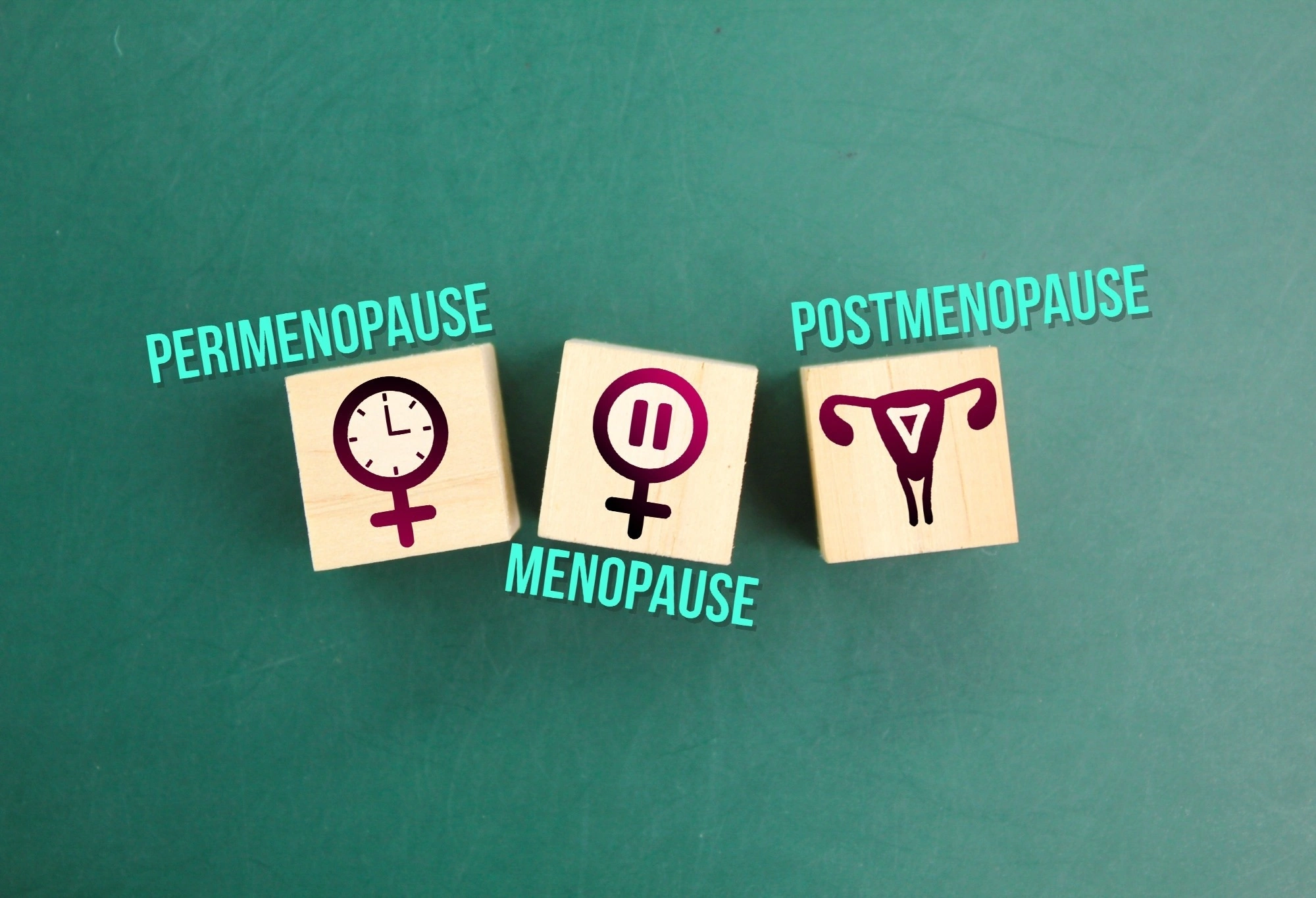
Perimenopause vs menopause can be confusing because the terms are often used interchangeably, even though they describe different stages of a woman’s reproductive life. but they actually describe different stages of a woman’s reproductive life. Understanding the differences can help you recognize the changes happening in your body, know what to expect next, and make informed decisions about your health.
Whether you’re just beginning to notice changes in your menstrual cycle or you’ve already experienced menopause, learning how each stage differs can make this transition feel much less confusing.
In this guide, we’ll explain the differences between premenopause, perimenopause, and menopause, discuss the symptoms associated with each stage, and share practical tips to help you navigate your menopause journey with confidence.
What Is Premenopause?
Premenopause is the stage of life before menopause-related hormonal changes begin. During this time, estrogen and progesterone levels are generally stable, menstrual cycles are usually regular, and fertility is still present.
Most women experience few or no menopause-related symptoms during premenopause. However, every woman is different, and hormone levels can begin changing gradually as they approach their late 30s or 40s.
What Is Perimenopause?
Perimenopause is the transitional phase leading up to menopause. During this stage, hormone levels begin to fluctuate, particularly estrogen and progesterone, which can lead to a variety of physical and emotional symptoms.
Perimenopause can last several years, and many women notice:
- Irregular periods
- Hot flashes
- Night sweats
- Mood changes
- Sleep difficulties
- Brain fog
- Weight changes
- Vaginal dryness
- Decreased energy
Some women experience only mild symptoms, while others notice more significant changes.
What Is Menopause?
Menopause is officially diagnosed after you’ve gone 12 consecutive months without a menstrual period. At this point, the ovaries have significantly reduced their production of estrogen and progesterone.
Although menopause marks the end of your reproductive years, it also begins a new stage of life. Many women continue to experience symptoms for several years after menopause before hormone levels gradually stabilize.
Premenopause vs. Perimenopause vs. Menopause
| Stage | What Happens |
|---|---|
| Premenopause | Hormone levels remain relatively stable and menstrual cycles are generally regular. |
| Perimenopause | Hormones begin fluctuating, causing symptoms and changes in menstrual cycles. |
| Menopause | Officially begins after 12 consecutive months without a menstrual period. |
Understanding which stage you’re in can help explain why you’re experiencing certain symptoms and guide conversations with your healthcare provider.
How Can You Support Your Body During the Transition?
Although menopause is a natural part of aging, healthy lifestyle habits can help support your overall well-being during every stage.
Some helpful strategies include:
- Eating a balanced, nutrient-rich diet
- Exercising regularly
- Maintaining a healthy weight
- Prioritizing quality sleep
- Managing stress
- Staying hydrated
- Scheduling regular healthcare checkups
Many women also choose to incorporate menopause-specific supplements into their wellness routine after discussing options with their healthcare provider.
Taking the Next Step
Understanding whether you’re experiencing perimenopause or menopause is the first step toward finding the right solutions. Every woman’s experience is different, and symptoms can change over time.
If you’re looking for ways to manage common menopause symptoms naturally, be sure to read our guide on Natural Remedies for Menopause: 15 Ways to Feel Better Naturally (2026 Guide).
If you’re interested in nutritional support, our 8 Best Supplements for Menopause (2026 Buyer’s Guide) compares several popular supplements and explains what to look for before making a purchase.
Learning about your options can help you make informed decisions and work with your healthcare provider to choose the approach that’s right for you.
📖 Track Your Symptoms with Confidence
One of the most helpful things you can do during perimenopause is keep track of your symptoms. Recording changes in your menstrual cycle, sleep, mood, hot flashes, and energy levels can help you recognize patterns and provide valuable information to discuss with your healthcare provider.
A Perimenopause Symptom Tracker & Logbook is specifically designed to help women organize their symptoms and better understand the changes happening throughout this transition.
👉 Check Today’s Price on Amazon
Frequently Asked Questions
What is the difference between premenopause and menopause?
Premenopause is the stage before menopause-related hormonal changes begin. Menopause officially begins after you’ve gone 12 consecutive months without a menstrual period.
What is perimenopause?
Perimenopause is the transitional stage leading up to menopause, when hormone levels fluctuate and symptoms such as hot flashes, irregular periods, sleep problems, and mood changes commonly begin.
How long does perimenopause last?
For many women, perimenopause lasts between four and eight years, although the length and severity of symptoms vary from person to person.
Can you still get pregnant during perimenopause?
Yes. Although fertility declines during perimenopause, pregnancy is still possible until menopause has officially occurred.
When should I talk to my healthcare provider?
If your symptoms become severe, interfere with your daily life, or you experience unusually heavy bleeding or bleeding after menopause, it’s important to consult your healthcare provider.
Final Thoughts
Understanding the differences between premenopause, perimenopause, and menopause can make this stage of life much less overwhelming. While every woman’s experience is unique, recognizing the changes that occur during each phase allows you to take a more active role in supporting your health.
Whether you’re just beginning to notice symptoms or you’re already approaching menopause, staying informed, maintaining healthy lifestyle habits, and seeking guidance when needed can help you navigate this transition with confidence.
Remember, menopause is not the end of your wellness journey—it’s simply the beginning of a new chapter.